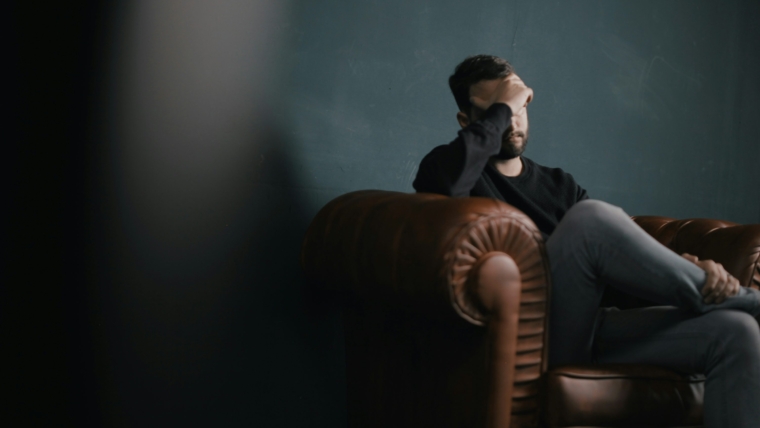
Trauma is not always easy to see. Sometimes it comes from a big event, like a car accident, natural disaster, or loss of someone close. Other times it builds slowly from ongoing stress, such as bullying, family conflict, or feeling unsafe at school or home. What’s important to know is that trauma is not weakness—it’s the body and brain’s natural way of responding to overwhelming experiences.
For parents and teens, learning how trauma works and how to cope with it together can make the path toward healing less lonely.
What Trauma Does
1. It Stays in the Body
Our brains and bodies are wired to protect us. When something scary happens, the body switches into “survival mode” (fight, flight, or freeze). Long after the event, the body can still react as if the danger is happening again. That’s why a sudden noise, smell, or memory can trigger a strong response.
Example: A teen who was in a car accident may feel their heart pound when hearing screeching tires, even if they’re safe at home.
2. It Shakes Our Sense of Safety
Trauma makes the world feel less predictable. Teens may become jumpy or “on guard” all the time. Parents might notice their child avoiding situations, pulling away socially, or struggling with sleep.
Example: After being bullied, a teen might dread going to school, even when they’re not in immediate danger.
3. It Affects Relationships
Trauma often makes it harder to connect with others. Teens may push parents away, or parents may feel unsure how to reach their child. Sometimes even small disagreements can feel like big explosions.
Example: A parent might ask, “How was your day?” and get a sharp, “Leave me alone!” when what the teen really feels is, “I don’t know how to explain what’s going on inside.”
4. It Impacts How We See Ourselves
Shame, guilt, or self-blame often follow trauma. Teens may think, “Something must be wrong with me,” while parents may feel, “I should have done more to protect my child.” These beliefs are heavy but not accurate—they are the voice of trauma, not truth.
Everyday Coping Skills for Parents and Teens
You don’t need to solve everything overnight. Healing from trauma is a process of building small, safe moments day by day. Here are strategies families can try:
1. Grounding Together
Use the “5-4-3-2-1” game:
- 5 things you see
- 4 things you can touch
- 3 things you hear
- 2 things you smell
- 1 thing you taste
Doing this side by side helps calm the nervous system and reminds everyone they’re safe right now.
2. Move Your Body
Physical activity is one of the best ways to “reset” after stress. Walking the dog, shooting hoops, or dancing in the living room all count. Movement releases built-up tension and creates space for calm.
3. Breathe as a Team
Practice “square breathing”: breathe in for 4 counts, hold for 4, exhale for 4, hold for 4, then repeat. Parents and teens can try this before school, after practice, or before bed to calm the body together.
4. Stay Connected
Trauma can make people feel alone. Parents can help by showing curiosity without pressure. Try:
- “I noticed you seemed upset earlier. Want to talk or just hang out?”
- “Would it help if I listened, or would you rather I give you space right now?”
Even short check-ins show teens they are not alone.
5. Use Creativity
Art, journaling, photography, or music are powerful tools when talking feels too hard. Encourage teens to use whatever creative outlet feels natural—it’s another way to release emotions safely.
6. Build Simple Routines
Consistency helps the brain feel safe. Shared meals, bedtime routines, or Sunday morning rituals provide structure. These small patterns say: “Life may feel unpredictable, but here are safe things you can count on.”
Conversation Starters for Parents
Opening the door to talk about trauma can be hard. Here are some gentle ways parents can invite conversation:
- “I’ve noticed you’ve seemed worried lately. Do you want to share what’s on your mind?”
- “Sometimes when scary things happen, our bodies hold on to them. Have you felt that before?”
- “You don’t have to go through this alone. I’m here when you’re ready to talk.”
Remember: it’s less about having the perfect words and more about showing you care.
Small Steps
Trauma may change how we feel, but it doesn’t have to define who we are. Healing comes from small steps: grounding in the present, moving the body, breathing, staying connected, expressing feelings, and keeping simple routines.
For parents and teens, the journey may feel slow and uneven, but every step taken together rebuilds safety and hope. And when the weight feels too heavy, reaching out to a counselor or therapist is not a sign of weakness—it’s a sign of courage.